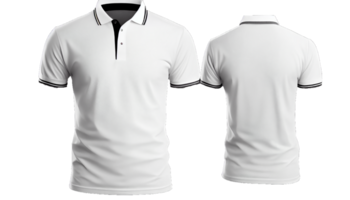
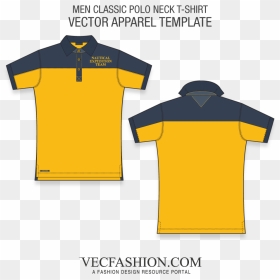
The polo shirt. It's that versatile wardrobe staple that effortlessly bridges the gap between casual comfort and smart-casual sophistication. From sports fields to boardrooms, backyard barbecues to weekend brunches, the polo shirt holds a unique place in fashion. But have you ever stopped to think about what goes into designing one? Beyond just a shirt with a collar, there's a whole world of subtle details that define its look, feel, and overall appeal.
Whether you're looking to customize polos for your team, brand, or just curious about what makes a good polo, understanding its core design elements is crucial. And when it comes to bringing those designs to life, especially for printing or embroidery, having your graphics in the right format – like a high-quality PNG – is absolutely essential. Let's dive into 10 fundamental aspects of polo shirt design and uncover why a crisp PNG file is invaluable for each.
Understanding the Anatomy of a Great Polo Shirt
A polo shirt isn't just a single piece of fabric. It's an assembly of distinct components, each playing a role in the shirt's final aesthetic and functionality. Paying attention to these details can elevate a simple polo into a statement piece.
-
The Collar: A Defining Feature
The collar is arguably the most recognizable element of a polo shirt. It sets the tone for the shirt's formality. Collars typically come in a few styles: the classic ribbed knit (often seen on sportier polos), a flat-knit collar (offering a slightly dressier look), or a cut-and-sew collar (made from the same fabric as the shirt body, common in more contemporary or performance polos).
Why PNG Matters: If you're designing a custom collar, perhaps with a subtle pattern or a branded stripe, a high-resolution PNG ensures that these intricate details are captured perfectly. For embroidery or print files, a transparent PNG allows the design to seamlessly integrate with the collar's fabric color without any unwanted background boxes.
-
The Placket: Buttons and Beyond
The placket is the strip of fabric on the front of the shirt where the buttons and buttonholes are located. Most polos feature a two-button or three-button placket, but you can also find single-button or even hidden plackets for a cleaner, minimalist look. The choice of placket significantly impacts the shirt's overall style and how open or closed the neckline appears.
Why PNG Matters: When designing a logo or text that might sit near the placket, or if you're planning a custom placket lining, a PNG file ensures precise placement and clear edges. This is especially important if your design needs to wrap around or be centered relative to the placket's opening.
-
The Sleeves: Short, Long, and Cuffed
Polo shirts primarily come with short sleeves, but long-sleeve versions are also popular for cooler weather or a more refined look. The sleeve cuffs are another design point: some have simple open hems, while others feature ribbed cuffs, similar to the collar, which provides a more structured and athletic feel.
Why PNG Matters: If you're adding a logo or design to the sleeve, a PNG file allows for accurate scaling and placement. For instance, a small flag logo on the right sleeve or a subtle pattern on the cuff can be perfectly rendered from a clear PNG, ensuring no pixelation or fuzzy edges during production.
-
The Fabric: Pique, Jersey, and Performance
While not a 'graphic' design element, the fabric choice is fundamental to the polo's design. The most classic polo fabric is pique knit, known for its textured, waffle-like weave. Jersey knit offers a smoother, t-shirt-like feel, while various performance fabrics are engineered for moisture-wicking and breathability. The fabric dictates how a design will sit and feel.
Why PNG Matters: While PNG doesn't directly relate to fabric, a well-designed logo or graphic in PNG format will translate better onto different fabric types. The crispness of a PNG ensures that even on textured pique, the lines of your design remain sharp, preventing a 'muddy' look when printed or embroidered.
-
The Fit: Classic, Slim, or Modern
Polo shirts come in various fits to suit different body types and style preferences. A classic fit offers a relaxed, comfortable silhouette, while a slim fit is more tailored and body-hugging. A modern fit often falls somewhere in between, offering a contemporary look without being too restrictive. The fit influences how a design will appear on the wearer.
Why PNG Matters: Understanding the fit helps you decide on the appropriate size and placement of your design. A scalable PNG allows you to easily adjust your logo or graphic to look proportional on different fits and sizes, ensuring consistency across your product line.
-
The Hem and Side Vents: Finishing Touches
Most polo shirts feature a straight hem, but many include small side vents (slits) at the bottom for increased mobility and comfort, especially when tucked in. Some polos also have a "tennis tail" or "drop tail," where the back hem is slightly longer than the front, designed to stay tucked in during activity.
Why PNG Matters: If your design extends close to the hem or needs to be placed precisely above a side vent, a PNG file's transparency and sharp edges ensure that your graphic doesn't get cut off or distorted during the manufacturing process. It provides a clear boundary for the design.
-
Button Choice: Small Details, Big Impact
The buttons on a polo shirt are small but significant. They can be made from plastic, mother-of-pearl, or even custom-branded materials. The color of the buttons can match the shirt, contrast with it, or feature a subtle brand logo. These details contribute to the shirt's perceived quality and style.
Why PNG Matters: If you're custom-designing buttons with a logo or pattern, a PNG of that design is crucial for the button manufacturer. It provides the exact, clear artwork needed for engraving or printing onto the tiny button surface, ensuring precision and brand consistency.
-
Logo Placement: Where to Make Your Mark
The placement of a logo or emblem is a critical design decision. Common placements include the left chest (the most traditional spot), the right chest, a small detail on the sleeve, or even subtly on the back yoke. Strategic placement enhances brand visibility without overwhelming the shirt's design.
Why PNG Matters: This is where PNG truly shines. For embroidery or screen printing, a high-quality, transparent PNG of your logo is the industry standard. It provides the crisp lines and accurate colors needed for reproduction, ensuring your brand mark looks professional and consistent, regardless of its size or placement.
-
Color Palette: Solid, Stripes, and Color Blocking
The color scheme of a polo shirt can range from solid, classic hues to vibrant stripes, or even sophisticated color-blocked designs. The choice of colors impacts the shirt's versatility and how it can be styled. Understanding color theory and brand guidelines is key here.
Why PNG Matters: If you're designing a striped pattern or a color-blocked layout for the shirt itself, a PNG can be used to create mock-ups or to communicate specific color breaks to manufacturers. For logos, a PNG ensures that the colors of your brand are accurately represented against the shirt's chosen color, thanks to its support for millions of colors and transparency.
-
Embellishments and Graphics: Beyond the Logo
While a logo is common, polo shirts can feature other embellishments like patches, subtle patterns woven into the fabric, contrast stitching, or unique graphic prints. These elements add personality and differentiate a polo from standard designs.
Why PNG Matters: For any graphic element – be it a detailed illustration for a screen print, a complex patch design, or a subtle pattern – a PNG file is indispensable. Its lossless compression means no quality is lost, and its transparency allows for intricate shapes and overlays without a distracting white background. This is crucial for achieving a professional, high-quality finish for any custom graphic on your polo shirt.
The Power of PNG in Polo Shirt Design
In summary, designing a polo shirt is more nuanced than it appears, involving careful consideration of its collar, placket, sleeves, fabric, fit, hem, buttons, logo placement, color, and additional embellishments. Each of these 10 elements contributes significantly to the final product's style and appeal.
Crucially, for anyone involved in customizing or manufacturing polo shirts, the PNG file format is an absolute must-have for your design assets. Its ability to handle transparency, its lossless compression (meaning no quality loss even after multiple saves), and its support for a wide range of colors make it the ideal choice for logos, graphics, and any design element destined for print or embroidery. By understanding these design intricacies and leveraging the power of PNG, you can ensure your polo shirts not only look great but also perfectly represent your brand or personal style.