The humble polo shirt is a true wardrobe chameleon. From corporate casual to weekend chic, it effortlessly bridges the gap between formal and relaxed. But what truly elevates a good polo to a great one? Often, it's the subtle art of the logo – its size, its placement, and how it speaks volumes about your brand or personal style. You might have come across visual guides, perhaps even a "17 polo shirt logo size GIF," illustrating the dramatic difference even a slight adjustment can make. These dynamic visuals highlight a crucial point: there's no one-size-fits-all answer when it comes to branding your polo.
In this comprehensive guide, we'll dive deep into the world of polo shirt logos. We'll explore why size and placement are paramount, discuss standard practices, and offer practical tips to ensure your branded polo shirts always hit the mark. Whether you're designing uniforms for a team, creating merchandise for your business, or simply personalizing your own apparel, understanding these nuances is key to achieving a polished and professional look.
Why Logo Size and Placement Are Non-Negotiable
Imagine two identical polo shirts. One features a perfectly proportioned logo, subtly enhancing the shirt's aesthetic. The other has a logo that's either too small to be noticed or so large it overwhelms the garment. Which one leaves a better impression? The answer is clear. Logo size and placement aren't just minor details; they are critical elements that influence perception, readability, and overall design harmony.
The Impact on Brand Perception
Your logo is your brand's face. How it appears on a polo shirt directly reflects on your brand's professionalism and attention to detail. A well-placed, appropriately sized logo conveys confidence, quality, and thoughtfulness. Conversely, a poorly executed logo can make your brand appear amateurish or haphazard, undermining the very message you're trying to send.
Aesthetics and Readability
Beyond branding, there's the simple matter of aesthetics. A logo should complement the shirt, not compete with it. Its size dictates how easily it can be read and recognized from a distance. Too small, and your message gets lost. Too large, and it becomes a distracting billboard rather than an integrated design element. The goal is to strike a balance where the logo is prominent enough to be effective but harmonious enough to be stylish.
Standard Logo Placement Areas on Polo Shirts
Polo shirts offer several traditional spots for logo application, each with its own advantages and common size considerations. Understanding these areas is the first step in making an informed decision.
1. The Left Chest: The Classic Choice
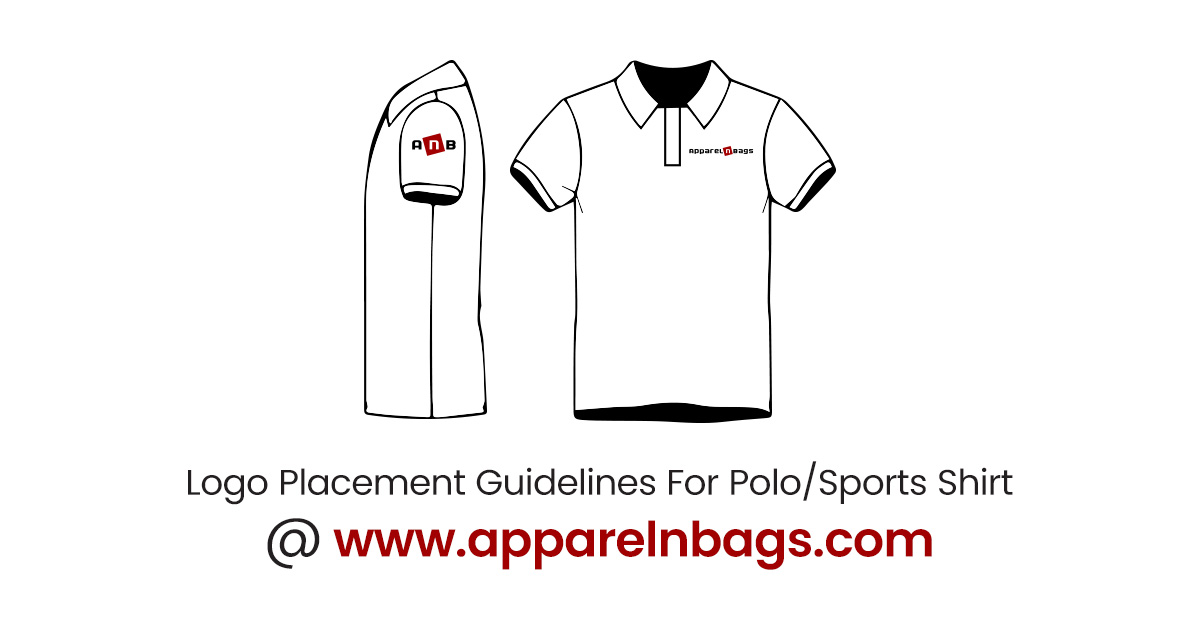
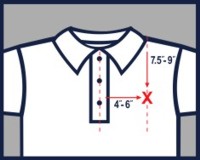
This is by far the most popular and iconic placement for a polo shirt logo. It's subtle, professional, and naturally draws the eye without being overly ostentatious. It's where brands like Ralph Lauren and Lacoste have cemented their identities.
- Typical Size: For a left chest logo, the width usually ranges from 2 to 3.5 inches (5 to 9 cm). The height will vary depending on your logo's aspect ratio, but it should generally be proportionate to the width, often around 1.5 to 2.5 inches (3.8 to 6.3 cm).
- Considerations: Ensure it's not too close to the placket (the button strip) or the armhole. It should sit comfortably on the wearer's pectoral area.
2. The Right Chest: A Less Common Alternative
While less traditional, placing a logo on the right chest can be a strategic choice, especially if the left chest is reserved for another element, like a name badge or a different, smaller emblem. It offers a slightly different visual dynamic.
- Typical Size: Similar to the left chest, usually 2 to 3.5 inches wide.
- Considerations: Ensure symmetry if there's another element on the left chest, or ensure it stands alone effectively.
3. The Sleeve: Subtle and Stylish
For a more understated branding approach, or as a secondary logo placement, the sleeve is an excellent option. It's often seen on sports team apparel or corporate uniforms where multiple logos are present.
- Typical Size: Smaller than chest logos, typically 1 to 2 inches (2.5 to 5 cm) in width.
- Considerations: The logo should be placed on the upper arm, usually centered between the shoulder seam and the elbow, allowing for movement without distortion.
4. The Back (Yoke or Full Back): Maximum Impact
For high visibility, especially in events, trade shows, or team sports, the back of the polo shirt offers the largest canvas.
- Back Yoke: Placed just below the collar, across the upper back.
- Typical Size: 4 to 6 inches (10 to 15 cm) wide.
- Considerations: Ideal for a company name, website, or a small version of the main logo.
- Full Back: Covering a significant portion of the back.
- Typical Size: Can range from 8 to 12 inches (20 to 30 cm) wide, or even larger depending on the design and shirt size.
- Considerations: Best for large, impactful graphics, team names, or event branding. Ensure it's centered and proportionate to the shirt's overall size.
Factors Influencing Your Logo Size Decision
Beyond standard placements, several other factors should guide your final decision on logo size.
The "17 Polo Shirt Logo Size GIF" Principle: Visual Comparison is Key
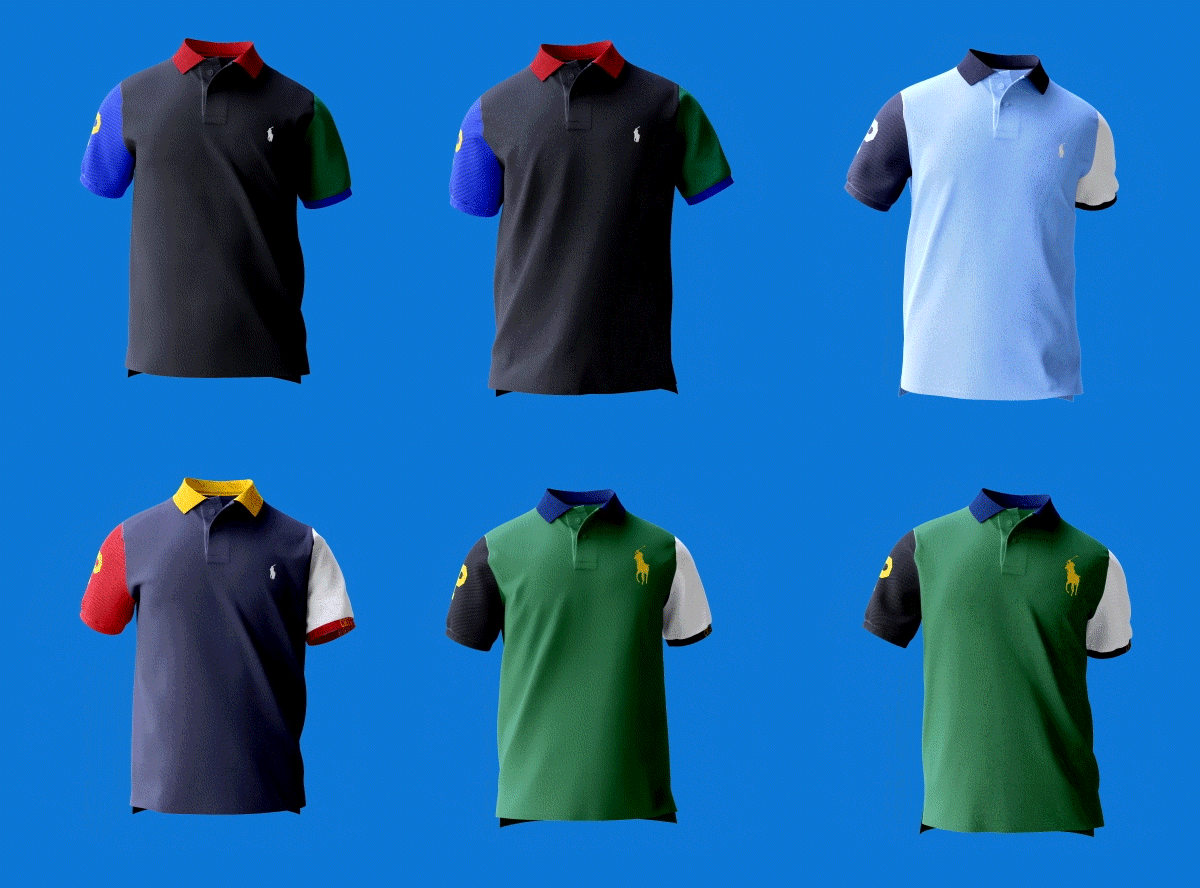
The power of a visual aid, like the hypothetical "17 polo shirt logo size GIF," lies in its ability to demonstrate scale instantly. Seeing your logo at 17 different sizes on a shirt, even if just digitally, provides invaluable perspective. It helps you visualize:
- How a 2-inch logo differs from a 3-inch one.
- How a logo might look on an XS versus a 3XL shirt.
- The impact of different aspect ratios.
Brand Identity and Message
Is your brand known for subtle elegance or bold statements? A luxury brand might opt for a smaller, more discreet logo, while a sports team or a promotional event might prefer a larger, more prominent display. Let your brand's personality dictate the logo's presence.
Polo Shirt Size and Fit
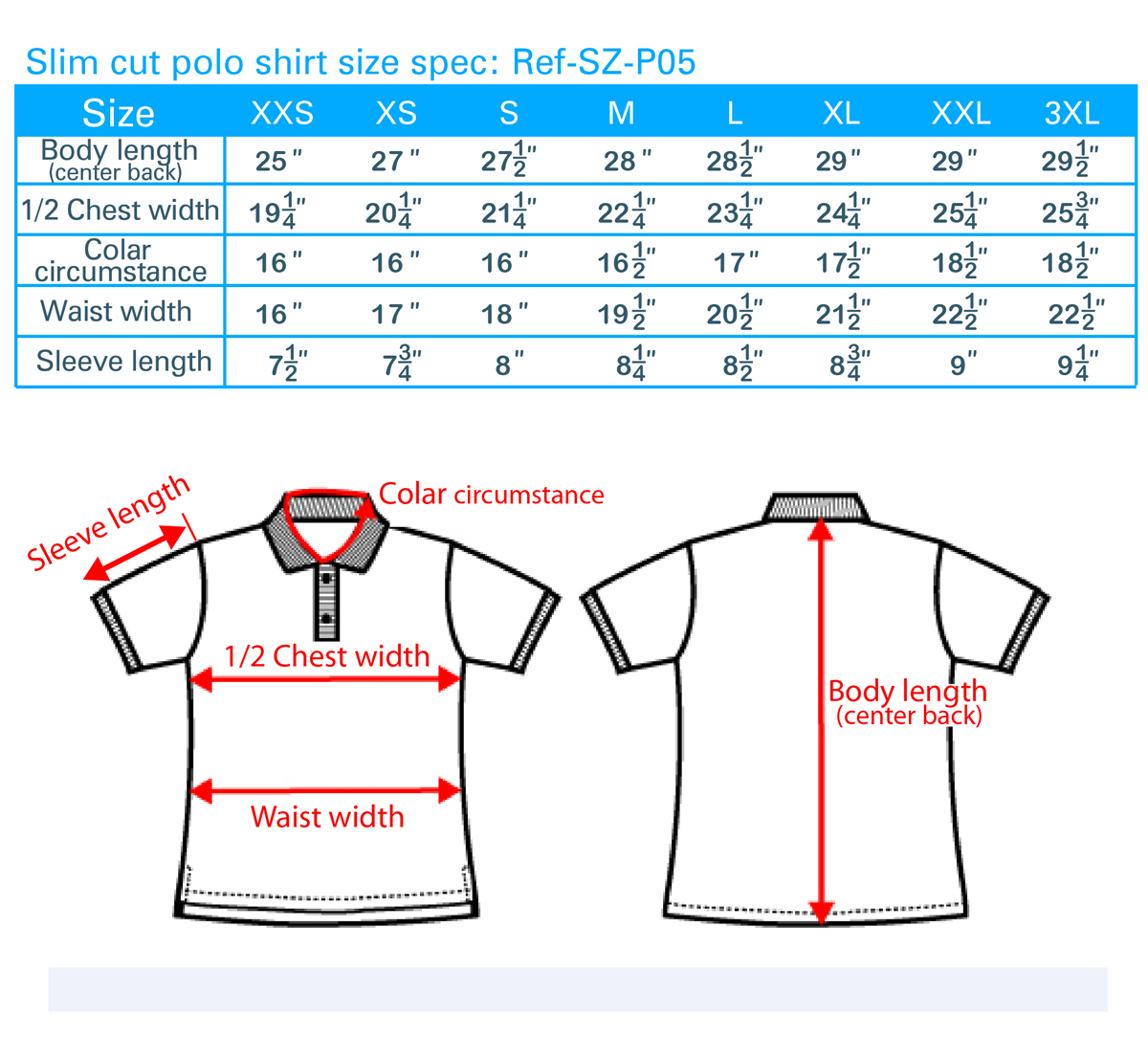
A logo that looks perfect on a medium-sized polo might appear too small on an XXL or too large on an XS. Always consider the range of sizes your polo shirts will come in. A good practice is to design for the average size (e.g., Large) and then scale slightly for extreme sizes if necessary, or choose a size that works acceptably across the entire range.
Purpose of the Polo Shirt
Are these corporate uniforms, casual employee wear, or items for sale? Uniforms might require a consistent, professional look, while merchandise might allow for more creative and varied logo placements and sizes.
Logo Complexity and Detail
Highly intricate logos with small text or fine lines will generally require a slightly larger size to ensure all details are legible. Simpler, bolder logos can often be effective at smaller dimensions.
Tips for Choosing the Perfect Logo Size and Placement
Making the right choice doesn't have to be daunting. Follow these practical steps:
- Create Digital Mock-ups: Use graphic design software to superimpose your logo onto a photo of a polo shirt. Experiment with different sizes and placements.
- Print Test Samples: Print your logo on paper at various sizes (e.g., 2", 2.5", 3" wide) and physically hold them up to a polo shirt. This provides a realistic perspective.
- Consider the Garment Material: Embroidery might look different than screen printing. Thicker fabrics might handle larger logos better.
- Get Feedback: Ask colleagues, friends, or potential wearers for their opinions on your mock-ups. A fresh pair of eyes can spot issues you might have missed.
- Measure Twice, Order Once: Once you've decided, provide precise measurements (width and height) to your decorator or supplier.
Common Mistakes to Avoid
Even with the best intentions, mistakes can happen. Here are a few to steer clear of:
- Too Small: The logo becomes unreadable and ineffective.
- Too Large: It dominates the shirt, looks unprofessional, and can even distort the fabric.
- Incorrect Proportions: Stretching or squishing a logo to fit a space looks unprofessional. Always scale proportionally.
- Off-Center Placement: Even a slight misalignment is noticeable and detracts from the overall quality.
- Clashing Colors: Ensure your logo colors contrast well with the polo shirt color for maximum visibility and aesthetic appeal.
Conclusion
The journey to the perfect branded polo shirt culminates in thoughtful consideration of your logo's size and placement. Just like the visual cues provided by a "17 polo shirt logo size GIF" can instantly highlight differences, understanding the principles discussed here empowers you to make informed decisions. By paying attention to brand identity, shirt size, placement options, and the practical tips for mock-ups and feedback, you can ensure your polo shirts not only look great but also effectively communicate your brand's message with style and professionalism. Remember, the goal is harmony – a logo that enhances the polo, making it a true representation of quality and attention to detail.