The humble polo shirt is a true wardrobe chameleon. From casual Fridays to golf courses, and from corporate uniforms to high-fashion statements, its versatility is unmatched. But designing a truly exceptional polo shirt is more than just picking a color and slapping on a logo. It's an art and a science, blending comfort, style, and brand identity. Imagine having a visual guide, like a series of quick, animated GIFs, showing you every intricate detail and design choice. That's the spirit we're channeling today, breaking down the "38 how to design a polo shirt gif" concept into actionable, easy-to-understand insights that will elevate your polo game.
Whether you're a budding fashion designer, a small business owner looking to create branded merchandise, or simply someone who appreciates well-made clothing, understanding the nuances of polo shirt design is crucial. We'll explore everything from the foundational elements like fabric and fit to the intricate details of collars, plackets, and strategic branding. Get ready to transform your design ideas into reality, with a clarity that feels as intuitive as watching a step-by-step animation.
The Foundation: Fabric & Fit
Choosing the Right Fabric: More Than Just Material
The fabric is the soul of your polo shirt. It dictates comfort, drape, durability, and even how colors appear. The most common choice is Piqué knit cotton, known for its distinctive textured, waffle-like surface that allows for breathability. Imagine a GIF showing the weave of Piqué, then transitioning to a smoother Jersey knit, often used for a softer, t-shirt-like feel. Beyond these, performance blends incorporating polyester or spandex offer moisture-wicking properties, ideal for activewear or warmer climates. Consider how a GIF could illustrate the stretch and recovery of a spandex blend versus a rigid cotton.
When selecting your fabric, think about the polo's primary purpose. Is it for a high-end fashion brand where luxurious feel is paramount? Or a team uniform where durability and easy care are key? Each fabric type brings its own set of advantages and challenges, influencing everything from the shirt's final price point to its longevity. Don't overlook the weight of the fabric either; a heavier knit often signals quality, while a lighter one is perfect for summer.
Understanding Fit: Tailoring Your Polo's Silhouette
Fit is paramount to how a polo shirt looks and feels. There are generally three main categories: classic, modern (or regular), and slim. A classic fit offers a relaxed, generous cut, providing maximum comfort and freedom of movement – picture a GIF showing a loose, traditional silhouette. The modern fit is a bit more tailored, tapering slightly at the waist without being restrictive, striking a balance between comfort and contemporary style. A slim fit, as its name suggests, hugs the body more closely, offering a sleek, fashionable profile. Visualizing these differences with quick animations can help you decide which silhouette best suits your target audience and design aesthetic.
Beyond these broad categories, consider details like sleeve length and opening. Do you want sleeves that hit mid-bicep or slightly longer? Should the armholes be snug or provide more room? These seemingly small decisions contribute significantly to the overall look and feel of the shirt, ensuring it flatters various body types while maintaining your desired style.
Collar & Placket Power: Defining Features
Collar Styles: The Polo's Signature Element
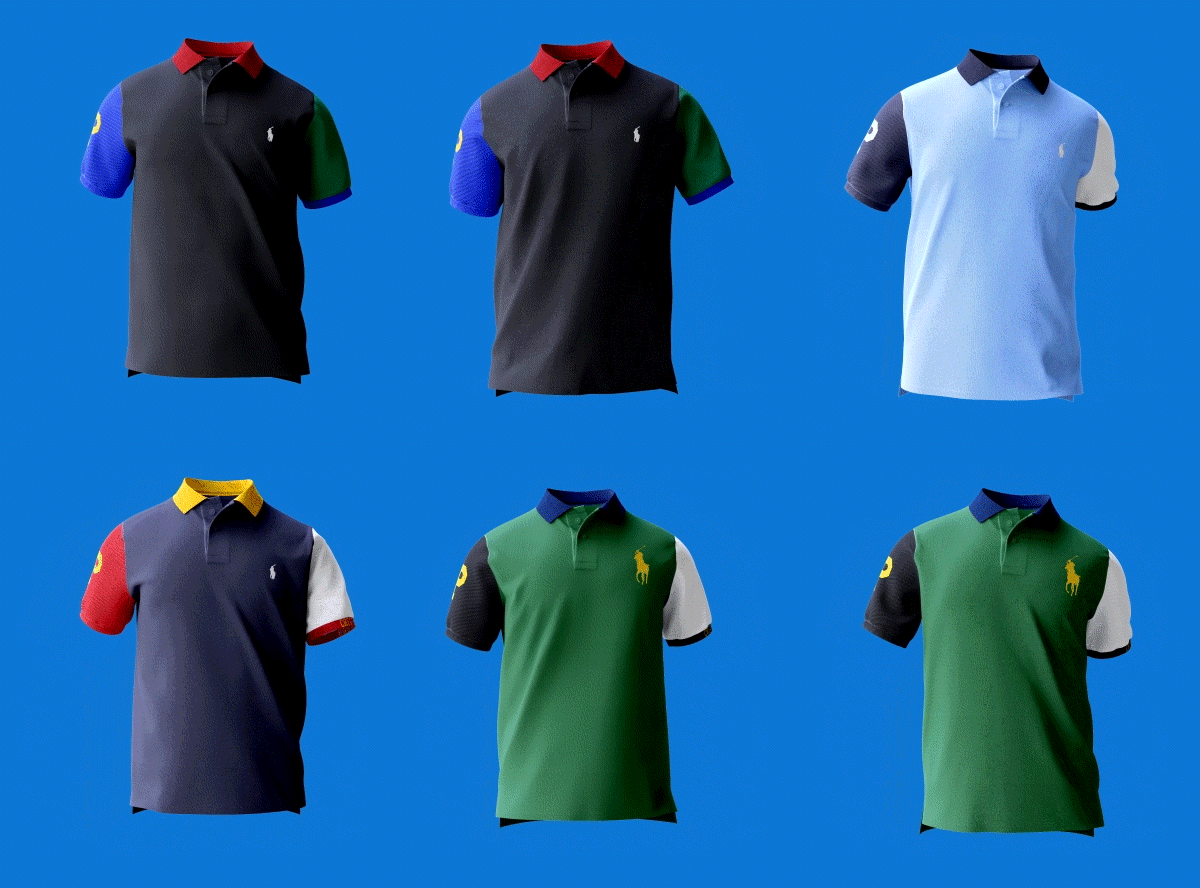
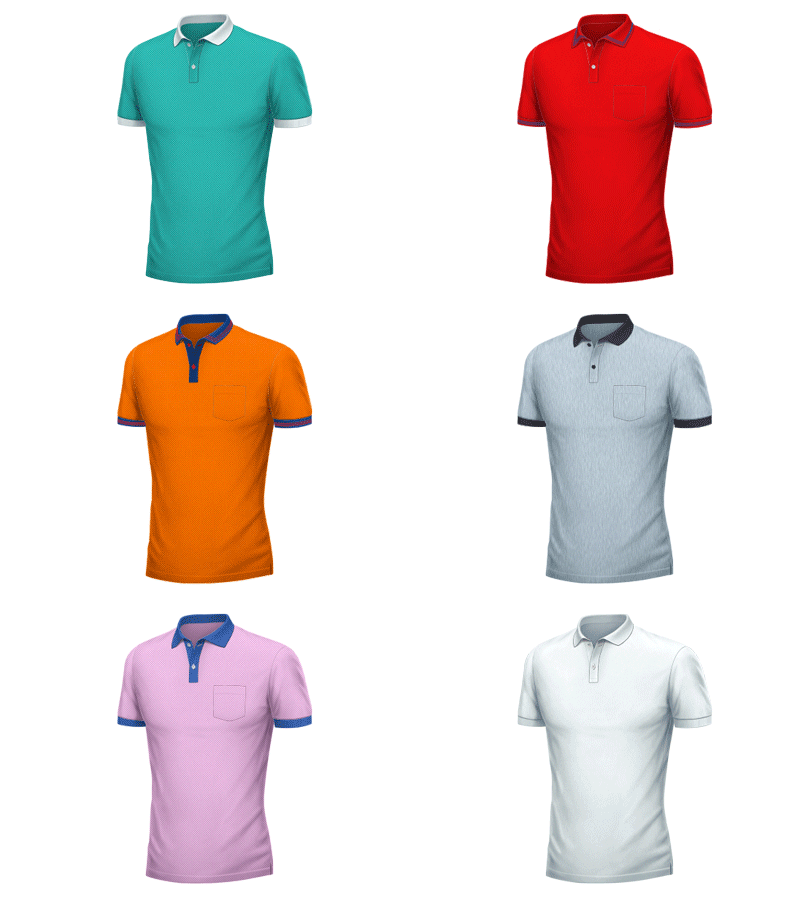
The collar is arguably the most defining feature of a polo shirt. Its style can dramatically alter the shirt's character. The most common is the ribbed knit collar, offering a sporty, classic look. Imagine a GIF demonstrating how a ribbed collar sits and folds. Then there's the flat knit collar, which often has a slightly more structured feel. Cut and sewn collars, made from the same fabric as the shirt body, provide a seamless, often more formal appearance. You can also play with contrast collars, where the collar fabric or color differs from the body, adding a subtle pop or a bold statement. Each choice conveys a different message about the shirt's formality and design intent.
Placket Variations: Buttons, Zippers, and Beyond
The placket, the strip of fabric where the buttons or zipper are located, offers another rich area for design. The standard is a two or three-button placket, offering a timeless look. A GIF could show the smooth action of buttons fastening. For a cleaner, more minimalist aesthetic, consider a hidden placket, where the buttons are concealed beneath a flap. Zippered plackets offer a contemporary, often sportier vibe, and a GIF could highlight the smooth glide of a quality zipper. Don't forget the buttons themselves – their material (mother-of-pearl, plastic, metal), color, and size can significantly impact the shirt's perceived quality and style. Contrast stitching around the placket can also draw attention to this key feature.
Sleeve & Cuff Considerations
Sleeve Lengths & Styles: From Classic to Contemporary
While most polos feature short sleeves, the exact length and how they finish can vary. A classic short sleeve typically ends around mid-bicep. Some designs might opt for slightly longer sleeves, while others might prefer a shorter, more athletic cut. For cooler weather or a different aesthetic, long-sleeved polos are also an option. A GIF could illustrate how a sleeve can be rolled up and secured, adding a casual touch.
Cuff Details: Ribbed, Open, or Banded
The cuff of a short-sleeved polo often comes in a ribbed knit, matching the collar, providing a neat, finished look and a slight snugness around the arm. Alternatively, an open hem sleeve offers a more relaxed, t-shirt-like feel, allowing the fabric to drape naturally. A banded cuff, made from the same fabric as the shirt body but with a distinct seam, can provide a slightly more structured and tailored appearance. Each cuff style contributes to the overall silhouette and comfort of the polo.
Logo Placement & Branding
Strategic Logo Positioning: Where to Make Your Mark
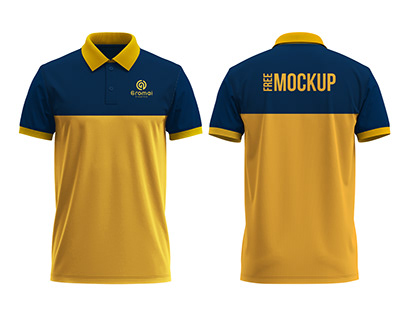
The placement of your logo is crucial for brand visibility and aesthetic balance. The most traditional spot is the left chest, typically a small, embroidered emblem. Imagine a GIF showing various logo sizes and positions on the chest. Other popular locations include the sleeve (either left or right), the nape of the neck (often for a subtle, internal branding touch), or even subtly on the lower hem. For bolder statements, a larger logo on the back yoke or even a full-back print can be effective, especially for team wear or promotional items. The key is to ensure the logo complements the shirt's design, rather than overwhelming it.
Embroidery vs. Print: Choosing Your Application
The method of applying your logo also matters. Embroidery offers a premium, textured look and feel, conveying quality and durability. A GIF could zoom in on the intricate stitching of an embroidered logo. Printing, on the other hand, allows for greater detail, a wider range of colors, and often a more lightweight feel, especially with techniques like screen printing or direct-to-garment (DTG). For complex designs or all-over patterns, sublimation printing might be the best choice. Consider the fabric, the desired aesthetic, and your budget when making this decision.
Color Theory & Pattern Play
Crafting Your Color Palette: Harmony and Impact
Color is a powerful design tool. A monochromatic palette uses variations of a single color for a sophisticated, understated look. Complementary colors (opposites on the color wheel) create high contrast and vibrancy, while analogous colors (next to each other on the color wheel) offer a harmonious, soothing effect. A GIF could cycle through different color combinations on a polo, instantly showing their impact. Don't forget the power of contrast tipping on collars and cuffs, or the use of contrasting placket colors to add visual interest without resorting to complex patterns.
Exploring Patterns: Stripes, Sublimation, and Beyond
While solid colors are classic, patterns can inject personality. Stripes, in particular, are a polo shirt staple – horizontal, vertical, thin, thick, or graduated. Imagine GIFs animating different stripe patterns appearing on the shirt. Beyond stripes, all-over prints achieved through sublimation can transform a polo into a canvas for intricate graphics, bold abstract designs, or even photographic imagery. These patterns can range from subtle textures to vibrant, eye-catching motifs, allowing for endless creative expression.
Beyond the Basics: Details & Embellishments
Side Vents & Hem Details: The Finishing Touches
Small details can significantly enhance a polo's design. Side vents at the bottom hem, often reinforced with contrast fabric or stitching, offer increased mobility and a touch of tailored elegance. A GIF could show the subtle opening of a side vent as someone moves. Other hem styles include a straight hem for a clean, untucked look, or a drop-tail hem, which is slightly longer at the back, often favored for athletic polos.
Inner Collar Taping & Tagless Comfort
For a truly premium feel, consider inner collar taping – a strip of fabric (often branded or contrasting) sewn along the inside of the collar seam. This adds durability, comfort, and a hidden touch of luxury. Similarly, opting for a tagless design, where care instructions are printed directly onto the fabric, eliminates irritating neck tags, enhancing wearer comfort. These are the kinds of thoughtful details that elevate a good polo to a great one, and could be perfectly illustrated with quick, close-up GIFs.
Practical Design Tips & Tools
From Concept to Creation: Visualizing Your Design
Start with a mood board to gather inspiration – colors, textures, existing polos you admire. Then, move to sketching your ideas. Even rough drawings help solidify concepts. Digital mock-ups using design software are invaluable for visualizing your polo from all angles, experimenting with colors, and accurately placing logos. This iterative process, much like watching a series of design GIFs, allows you to refine your vision before committing to production.
Working with Manufacturers: Communicating Your Vision
Once your design is finalized, clear communication with your manufacturer is key. Provide detailed tech packs, including fabric specifications, measurements, color codes (Pantone), and precise logo placement instructions. Don't be afraid to ask for samples and provide constructive feedback. A good manufacturer can bring your "38 how to design a polo shirt gif" ideas to life, ensuring the final product matches your initial vision as closely as possible.
Final Summary
Designing a polo shirt is a journey through countless creative choices, each impacting the final product's appeal and functionality. We've explored the critical elements, from selecting the perfect fabric and ensuring an ideal fit, to mastering collar and placket styles. We delved into strategic logo placement, the impact of color and pattern, and the importance of subtle embellishments like side vents and inner collar taping. By considering these 38 (and more!) visual design points, you're empowered to create polo shirts that are not just garments, but expressions of style, comfort, and quality. Embrace the process, experiment with combinations, and watch your unique polo shirt designs come to life, as if guided by a series of clear, animated instructions.