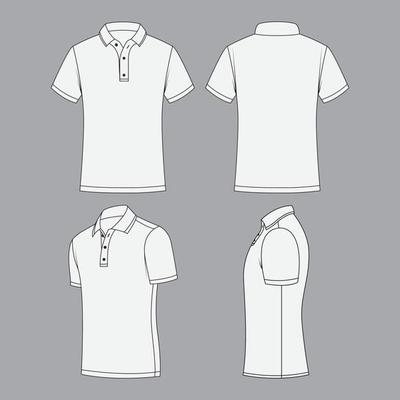
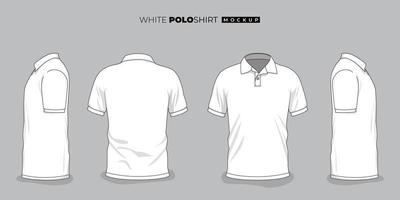
The humble polo shirt. It’s a timeless classic, a staple in wardrobes from casual Fridays to golf courses, and a popular choice for team uniforms and corporate branding. Its versatility is unmatched, bridging the gap between a t-shirt and a button-down. But what truly sets a polo shirt apart, making it memorable and professional, often lies in the details of its design. Beyond the main logo or emblem, there's an unsung hero that can elevate the entire aesthetic: the design outline background.
When we talk about a "design outline background" for a polo shirt, we're not just referring to the color of the fabric itself. We're delving into the subtle, often sophisticated, patterns, textures, or foundational graphics that either frame the main design or subtly cover the fabric, adding depth, character, and a touch of bespoke elegance. This background can transform a simple polo into a statement piece, reflecting brand identity, personal style, or team spirit with a nuanced touch. If you're looking to create truly outstanding polo shirts, understanding how to find, create, and utilize these outline backgrounds is an essential skill. This article will guide you through everything you need to know, from discovering existing resources to crafting your own unique designs.
What Exactly is a Polo Shirt Design Outline Background?
Imagine a polo shirt with your company logo embroidered on the chest. Now, imagine that same polo, but instead of a plain fabric, the background around or behind the logo has a subtle, tone-on-tone geometric pattern, a heathered texture, or a faint, repeating brand motif. That's the essence of a design outline background. It's a layer of visual interest that supports the primary design, adding a professional finish without overwhelming it.
These backgrounds can take many forms: they might be a subtle gradient, a repeating pattern (like small diamonds, stripes, or even a very faint watermark of a logo), a texture that mimics a different fabric weave, or a specific shape that acts as a frame for your main graphic. The goal is always to enhance, not distract. A well-chosen outline background provides context, depth, and a premium feel, making the polo shirt look more thoughtfully designed and less like a blank canvas with an appliqué. It’s about creating a cohesive visual story that begins even before the eye lands on the main emblem.
Where to Find Ready-Made Polo Shirt Design Outlines
Not everyone is a graphic design wizard, and that's perfectly fine! There are numerous resources available where you can find high-quality, ready-made design outlines and backgrounds that can be adapted for your polo shirt projects. Leveraging these resources can save you time and ensure a professional result.
Stock Vector and Image Websites
These platforms are treasure troves for designers and non-designers alike. They offer a vast library of vector graphics, patterns, and textures that can be used as backgrounds.
- Shutterstock, Adobe Stock, Freepik, Vecteezy: Search for terms like "polo shirt pattern," "apparel background vector," "fabric texture vector," "geometric pattern background," "subtle abstract background," or "seamless pattern." Many of these sites offer free options or affordable subscription plans.
- Creative Market, Etsy: These marketplaces feature independent designers selling unique digital assets, including specialized patterns and textures perfect for garment design. You might find more niche or artistic options here.
Specialized Apparel Design Resources
Some websites cater specifically to the garment decoration industry, offering mockups and templates that sometimes include background elements.
- Mockup Generators: Websites that allow you to place your logo on a polo shirt mockup might also offer options to change the background texture or pattern of the shirt itself.
- Manufacturer Templates: Reputable polo shirt manufacturers or distributors sometimes provide design templates or vector files of their products, which can be a starting point for adding your own background elements.
Free Resources
If you're on a budget, there are still great options available.
- Unsplash, Pexels: While primarily for photos, you can find high-resolution images of fabric textures or abstract backgrounds that can be subtly incorporated.
- Public Domain Vector Sites: Websites offering public domain or Creative Commons licensed vectors can be a source for simple patterns.
When using ready-made resources, always check the licensing agreements to ensure you can use them for commercial purposes if your polo shirts are for a business or team.
Creating Your Own Custom Polo Shirt Outline Background
For those who want a truly unique and branded look, designing your own outline background offers unparalleled creative freedom. This allows you to perfectly align the background with your brand's aesthetic or personal vision. You don't need to be an expert, but familiarity with basic graphic design software will be helpful.
Essential Design Tools
- Adobe Illustrator: The industry standard for vector graphics, ideal for creating scalable patterns and shapes.
- Adobe Photoshop: Excellent for working with textures, gradients, and raster-based effects.
- Affinity Designer/Photo: More affordable alternatives to Adobe products, offering similar capabilities.
- GIMP (GNU Image Manipulation Program): A powerful free and open-source option for raster image editing.
Techniques for Crafting Unique Backgrounds
Here are some ideas to spark your creativity:
- Subtle Geometric Patterns: Think small, repeating shapes like diamonds, hexagons, herringbone, or very fine stripes. These add structure without being overpowering. Use a slightly darker or lighter shade of the polo shirt's main color for a tone-on-tone effect.
- Fabric Texture Overlays: Create or find a vector texture that mimics a different fabric weave (e.g., a subtle linen texture on a pique polo). This adds a tactile feel even if it's just a visual effect.
- Abstract Gradients: A very soft, subtle gradient across a section of the shirt can add depth and a modern touch. Ensure it's not too stark or colorful.
- Watermark Branding: Repeat a very small, transparent version of your logo or an iconic brand element across the fabric as a background pattern. This is a sophisticated way to reinforce branding.
- Organic Shapes or Brush Strokes: For a more artistic or casual look, consider soft, flowing lines or faint brush stroke patterns that don't have sharp edges.
- Outline Framing: Instead of an all-over pattern, you could design a subtle outline shape (e.g., a shield, a crest, or an abstract blob) that sits behind and frames your main logo, giving it prominence.
Remember, the key is subtlety. The background should complement, not compete with, your primary design element.
Key Considerations for Your Polo Shirt Background
Before finalizing your design, take these crucial factors into account to ensure your polo shirt looks fantastic and achieves its intended purpose.
Brand Identity and Target Audience
Does the background align with your brand's overall image? A corporate polo might opt for subtle geometric patterns, while a casual sports team might choose something more dynamic or textured. Consider who will be wearing the polo and what message you want to convey.
Fabric Color and Type
The base color and material of the polo shirt will significantly impact how your background design appears. A tone-on-tone pattern will be more visible on a lighter fabric than a very dark one. Certain textures might look better on a smooth jersey knit than on a traditional pique polo.
Printing and Embroidery Methods
The method you use to apply the design will dictate what's possible.
- Screen Printing: Good for solid patterns and larger areas, but very fine details or complex gradients might be challenging or costly.
- Direct-to-Garment (DTG): Offers high detail and color versatility, making it suitable for intricate patterns and gradients.
- Sublimation: Ideal for all-over prints and vibrant, complex backgrounds, but typically only works on light-colored polyester fabrics.
- Embroidery: While your main logo might be embroidered, an embroidered background pattern is usually not practical due to cost and bulk. If using embroidery, the background would likely be printed.
Visibility and Subtlety
How prominent do you want the background to be? A very subtle background adds a touch of class without drawing attention, while a more defined pattern can be a design element in itself. Test different opacities and color variations to find the perfect balance.
Scalability and File Format
Ensure your background design is created in a vector format (like SVG, AI, EPS) if possible. This allows it to be scaled to any size without losing quality, which is essential for different polo shirt sizes or future applications. If using raster images for textures, ensure they are high resolution.
Integrating the Outline Background with Your Main Design
Once you have your perfect outline background, the next step is to seamlessly integrate it with your primary logo, text, or graphic. This layering process is where the magic happens, bringing all elements together into a cohesive and professional design.
Layering Principles
Think of your design in layers. The outline background forms the base layer, providing the canvas. Your main logo or text then sits on top of this background. In design software, this means ensuring your background layer is beneath your main design layer.
Color Harmony and Contrast
The colors of your background should complement, not clash with, your main design. If your main logo is vibrant, a subdued, tone-on-tone background works best. If your main logo is simple, a slightly more intricate background can add interest. Always ensure there's enough contrast between the background and the main design so that the primary element remains clearly visible and readable.
Placement and Coverage
Decide whether the background will cover the entire polo shirt, a specific panel (like the front or back), or just the area immediately surrounding your main logo. For example, a subtle texture might cover the whole shirt, while a framing outline would only be visible around the chest logo. Consider how the background interacts with seams, collars, and plackets.
Always create a digital mockup of your design on a polo shirt template before sending it to production. This allows you to visualize the final product and make any necessary adjustments to the background, colors, and placement.
Conclusion
The polo shirt is a powerful canvas for expression, branding, and team identity. While the main logo or emblem often takes center stage, the design outline background plays a crucial supporting role, adding depth, sophistication, and a professional finish that can truly elevate the garment. Whether you choose to source ready-made patterns from stock sites or unleash your creativity to design your own custom textures and motifs, understanding the impact of these subtle elements is key to creating truly exceptional polo shirts.
By carefully considering your brand identity, target audience, printing methods, and the delicate balance of visibility and subtlety, you can transform a standard polo into a distinctive piece that speaks volumes. Experiment with different patterns, textures, and color harmonies, and always use mockups to visualize your final product. Embracing the power of the design outline background will not only enhance the aesthetic appeal of your polo shirts but also reinforce the thoughtfulness and quality behind your brand or personal style.
This article has explored the concept of polo shirt design outline backgrounds, from understanding their purpose and importance to identifying resources for ready-made options. We've delved into techniques for creating custom backgrounds using various design tools and discussed critical considerations such as brand alignment, fabric compatibility, printing methods, and the crucial balance of subtlety. Finally, we covered how to effectively integrate these backgrounds with your main design for a cohesive and professional finish, emphasizing the use of layering, color harmony, and strategic placement to elevate the overall appeal of your polo shirts.