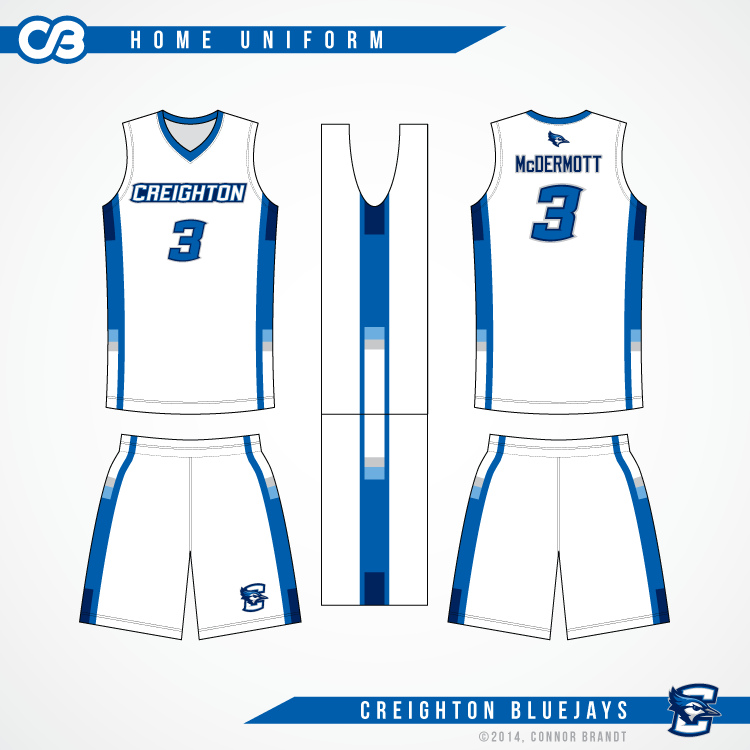
In the vibrant world of sports, where team colors blaze with passion and identity, it might seem counterintuitive to strip away all that chromatic energy. Yet, there's a unique and profound beauty in viewing elite basketball jersey designs through the lens of black and white photography. When the reds, blues, greens, and yellows disappear, something magical happens. The designs aren't just simplified; they're elevated, revealing their fundamental strengths, their architectural integrity, and their timeless appeal in a way that full color sometimes obscures. It's like seeing the blueprint of a masterpiece, understanding the core structure before the paint is applied. This article delves into why black and white images offer such a compelling perspective on the artistry and engineering behind top-tier basketball jersey designs.
Why Black and White? More Than Just an Old Photo
At first glance, black and white might evoke a sense of nostalgia, reminiscent of grainy sports photos from decades past. But its power goes far beyond mere retro charm. For designers, artists, and even casual observers, black and white imagery serves as a powerful analytical tool. It forces the eye to focus on elements that color often overshadows: form, contrast, texture, line work, and the interplay of light and shadow. Without the distraction of a team's specific palette, you're compelled to appreciate the silhouette of the jersey, the precision of its paneling, the boldness of its typography, and the overall balance of its composition.
Think of it this way: when you see a jersey in full color, your brain processes the colors first. Is it a vibrant red? A deep blue? That initial impression can sometimes dictate your perception of the design itself. In black and white, however, those initial color associations are removed. You're left with the pure essence of the design – how the dark elements interact with the light ones, how lines guide your eye, and how different shapes create a cohesive whole. It's a testament to good design when it still looks strong and impactful even when stripped of its most obvious visual characteristic.
The Anatomy of an Elite Jersey Design in Monochrome
When we examine elite basketball jerseys in black and white, specific design elements come to the forefront, showcasing the thought and detail that goes into their creation. These elements, often subtle in color, become pronounced and critical in monochrome.
Silhouettes and Cut
The very shape of the jersey, its silhouette, becomes incredibly important. Is it a classic, looser fit, or a more modern, athletic cut that hugs the body? In black and white, the way the fabric drapes, the curve of the armholes, and the slope of the neckline are emphasized by the way light and shadow play across the material. You can truly appreciate how the garment is engineered to allow for maximum movement while still maintaining a distinct aesthetic. A well-designed cut will look dynamic and functional even without any color cues.
Line Work and Panel Placement
Stripes, piping, and strategically placed panels are foundational to many jersey designs. In black and white, these elements transform into critical structural components. A thin white stripe against a black background becomes a sharp, defining line that guides the eye, perhaps elongating the torso or emphasizing the shoulders. Side panels, often in a contrasting color, become stark blocks of light or dark, creating a visual rhythm and dynamism. This monochrome view highlights how these lines and panels contribute to the jersey's overall architecture, creating a sense of movement and speed even when the garment is static.
Typography and Logos
Team names, player numbers, and sponsor logos are more than just information; they are integral design elements. In black and white, the choice of font, its weight, and its placement are starkly revealed. Does the typography feel bold and aggressive, or sleek and modern? The contrast between the lettering and the jersey fabric determines its legibility and impact. Furthermore, team logos, often complex in color, are reduced to their most fundamental shapes and forms. This monochrome view allows us to appreciate the graphic design prowess behind these emblems, focusing on their balance, symbolism, and how they interact with the surrounding elements of the jersey.
Texture and Fabric Play
While color often grabs attention, texture adds depth. Even in black and white, subtle differences in fabric weave, mesh patterns, or embroidered details can be perceived. The way light catches a shiny appliqué versus a matte fabric, or the intricate pattern of a breathable mesh, creates nuanced variations in tone and shadow. This adds a layer of sophistication, showing that the design isn't just about flat graphics but also about the tactile experience and the technical innovation of the materials used.
Iconic Designs Through a Monochrome Lens
Consider some of basketball's most iconic jersey designs. Whether it's the classic simplicity of certain collegiate teams or the bold statements of professional franchises, many of these designs possess an inherent strength that transcends color. Imagine a legendary jersey from the 1980s or 90s, known for its vibrant palette, viewed in black and white. You'd likely find that the core elements – the unique font, the distinctive stripes, the powerful logo – still hold up, perhaps even gaining a sense of timelessness. This is why many classic designs endure; their fundamental structure is robust enough to look good regardless of the specific hues applied.
Viewing these designs in monochrome allows us to trace the evolution of jersey aesthetics. We can see how the minimalist designs of earlier eras transitioned into the more complex, graphic-heavy styles of the 90s, and then into the sleek, performance-focused designs of today. The underlying design principles – balance, contrast, readability, and brand identity – remain constant, even as the stylistic expressions change.
What Designers Learn from Black and White Views
For professional designers, working in grayscale is often a crucial first step in the creative process. It's a way to test the strength and clarity of a design concept before introducing the complexities of color. If a jersey design looks good in black and white, it's a strong indicator that its foundational elements are sound. This approach helps designers to:
- Ensure Contrast and Readability: Confirm that numbers, names, and logos are clearly visible against the jersey fabric, regardless of the final color scheme.
- Evaluate Composition: Assess the overall balance and flow of the design, making sure all elements work harmoniously.
- Highlight Form and Structure: Verify that the cut and paneling create an aesthetically pleasing and functional silhouette.
- Focus on Core Message: Ensure the team's identity and brand message are conveyed effectively through shapes and lines, not just color.
By stripping away color, designers can identify potential weaknesses in a design early on, allowing them to refine the layout, adjust proportions, and strengthen the visual impact before committing to a specific color palette. It's a rigorous test that ensures the final product is not just colorful, but fundamentally well-designed.
In conclusion, viewing elite basketball jersey designs in black and white offers a unique and invaluable perspective. It allows us to move beyond the immediate sensory appeal of color and appreciate the intricate details of form, line, texture, and typography that form the bedrock of exceptional design. This monochrome lens reveals the timelessness of well-crafted aesthetics, showcasing how truly great designs possess an inherent strength that transcends fleeting trends and vibrant palettes. It's an invitation to see the art of jersey design in its purest, most fundamental form, fostering a deeper appreciation for the thought and creativity woven into every stitch.
This article explored the profound insights gained from viewing elite basketball jersey designs in black and white. It highlighted how monochrome imagery strips away color distractions to reveal the core design elements like silhouette, line work, typography, and texture. We discussed how this perspective helps appreciate the fundamental strength and timelessness of iconic designs, and how designers utilize this technique to ensure clarity, balance, and impact in their creations, ultimately fostering a deeper appreciation for the artistry behind basketball apparel.