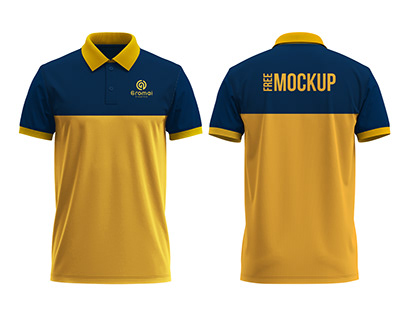
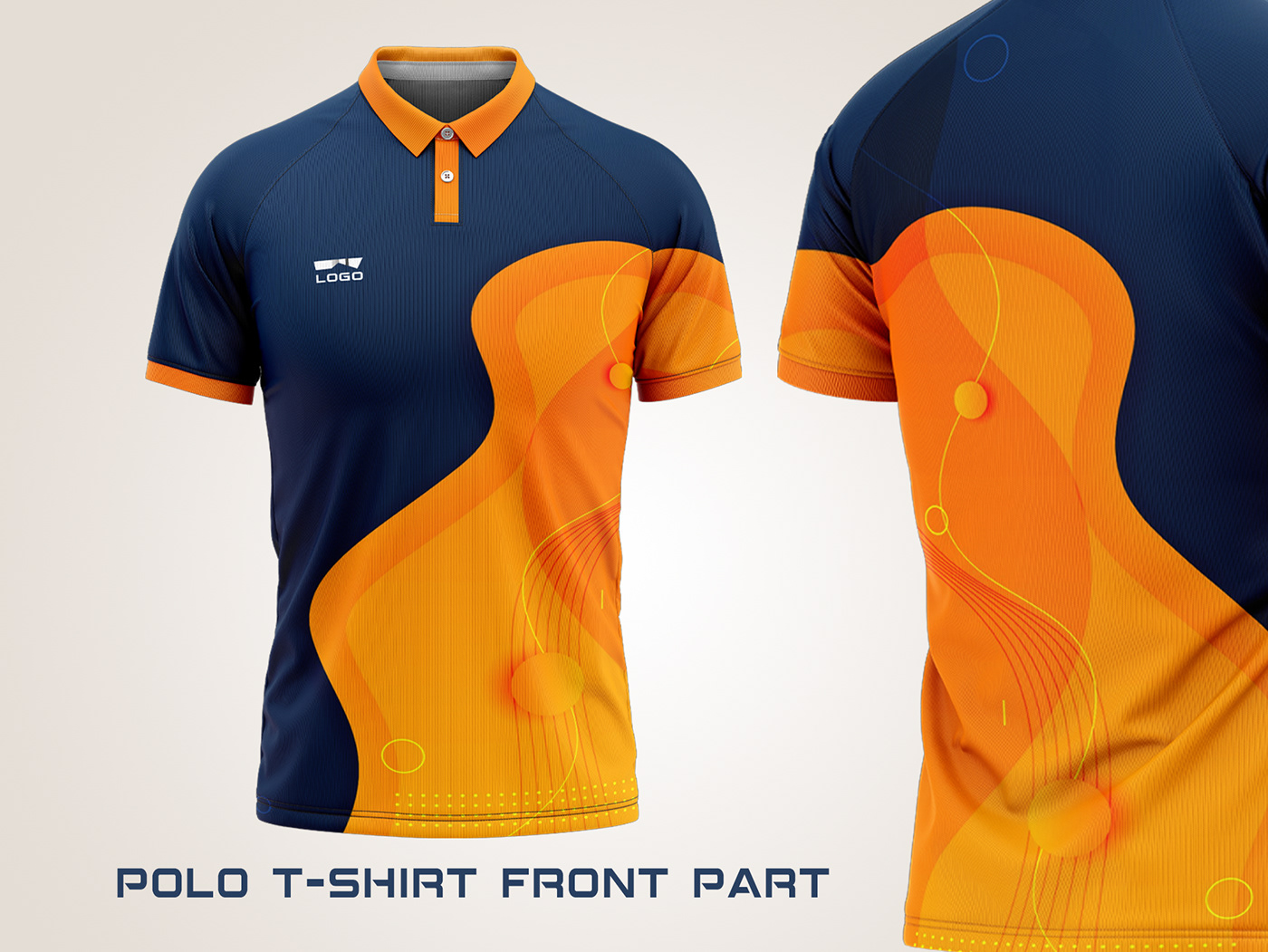
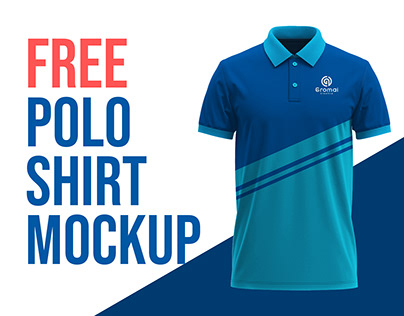
The humble polo shirt. It’s a wardrobe staple, a uniform essential, and a canvas for personal expression. From casual Fridays to golf courses, and from team events to brand promotions, the polo shirt seamlessly bridges the gap between formal and relaxed. But what if you could move beyond off-the-rack options and create a polo shirt that is uniquely yours? Designing your own custom polo shirt is not only a rewarding creative endeavor but also surprisingly accessible, especially when you know where to look for inspiration and how to translate those ideas into a tangible design. This guide will walk you through the process, focusing on how visual cues and examples can empower your design journey.
Why Design Your Own Polo Shirt?
Before diving into the "how-to," let's consider the "why." The reasons for designing a custom polo shirt are as varied as the designs themselves:
Personal Expression: Create a shirt that perfectly reflects your individual style, hobbies, or personality.
Brand Identity: For businesses or organizations, a custom polo with your logo and colors is a powerful branding tool, fostering a professional and cohesive look.
Team Uniforms: Unite a sports team, club, or group with a distinctive and functional uniform.
Special Events: Commemorate a family reunion, a bachelor party, or a charity event with a memorable, personalized garment.
Unique Gifts: A custom-designed polo makes for a thoughtful and one-of-a-kind present.
Perfect Fit: When working with custom manufacturers, you often have more control over sizing and fit than with mass-produced items.
Whatever your motivation, the journey of creating something from scratch is inherently satisfying.
Getting Started: Where to Find Design Inspiration (and What to Look For in Pics)
The best way to kickstart your design process is by gathering visual inspiration. Think of it as building a mood board for your polo shirt. When you "view how to make a polo shirt design pics," you're not just looking at finished products; you're dissecting them to understand the elements that make them work.
Online Galleries & Customizers
Many custom apparel websites offer extensive galleries of past projects or interactive design tools. These are goldmines for inspiration. As you browse, pay close attention to:
Different Cuts and Fits: Notice if shirts are slim-fit, classic-fit, or relaxed. How does the cut affect the overall look?
Collar Styles: Are they traditional ribbed collars, self-fabric collars (made from the same material as the body), or perhaps a contrasting color collar? Observe how different collar types influence the shirt's formality.
Placket Types: The placket is the strip of fabric where the buttons are. Look for two-button, three-button, four-button, or even hidden plackets. Some designs feature contrasting placket linings or unique button choices.
Sleeve Lengths and Cuffs: Most polos are short-sleeved, but you might see long-sleeved versions. Pay attention to whether the cuffs are ribbed or open.
Fabric Textures: While you can't feel the fabric in a picture, you can often discern if it's a classic pique weave (textured, breathable) or a smoother jersey knit. This visual cue can help you decide on the desired feel and drape of your own shirt.
Fashion Blogs & Pinterest
These platforms are visual treasure troves. Search for "polo shirt outfits," "custom polo shirt ideas," or "polo shirt design trends." Here, you'll find a broader range of styling and aesthetic choices:
Color Combinations: Observe how different colors are paired – a contrasting collar and placket, a subtle two-tone body, or bold color blocking. Pin examples that catch your eye.
Pattern Placements: While less common on polos than T-shirts, some designs incorporate subtle patterns or stripes. See where they are placed and how they interact with the shirt's structure.
Embroidery and Print Ideas: Look at the size, location, and style of logos, emblems, or text. Is it a small, elegant embroidery on the chest, a larger print on the back, or a subtle detail on the sleeve?
Overall Styling: How are polos being worn? This can give you ideas for the "vibe" you want your design to convey – sporty, sophisticated, casual, or retro.
Existing Brands & Retailers
Don't be afraid to study what popular brands are doing. Visit online stores of well-known polo manufacturers. Analyze their best-selling designs:
Current Trends: What colors, patterns, or embellishments are currently in vogue?
Classic Designs: What elements make a polo shirt timeless? Often, it's simplicity, quality fabric, and thoughtful details.
Logo Placement: Where do established brands place their logos? Is it always on the left chest, or do they experiment with sleeves or the back of the collar?
Key Design Elements of a Polo Shirt (and How to Visualize Them)
Once you have a collection of inspiring images, it's time to break down your own design into its core components. Visualizing each element will help you piece together your perfect polo.
Fabric Choice
The fabric is the foundation of your polo. The most common options are pique knit (the traditional textured polo fabric) and jersey knit (smoother, like a T-shirt). Performance fabrics (moisture-wicking, anti-odor) are also popular for active wear.
Visualizing: Think about how different fabrics drape and feel. Pique has a classic, slightly structured look, while jersey is softer and more fluid. Performance fabrics often have a subtle sheen. Your inspiration pics can help you differentiate these textures visually.
Color Palette
This is where your polo truly comes to life. You'll need to decide on colors for the main body, collar, placket, and potentially the cuffs.
Visualizing: Use online color palette generators or simply look at your inspiration images. Do you want a monochromatic look with subtle variations, or bold contrasting colors? Consider how colors will appear on your chosen fabric. A deep navy on pique will look different from a navy on a smooth jersey.
Collar & Placket Styles
These details significantly impact the shirt's character.
Collar:
Ribbed: The classic, often slightly contrasting collar.
Self-Fabric: Made from the same material as the body, offering a more seamless look.
Contrasting Underside: A subtle pop of color when the collar is flipped up.
Placket:
2-Button or 3-Button: The standard, affecting how open the neckline is.
Hidden Placket: Buttons are concealed for a sleek, minimalist look.
Zipper Placket: A modern, sporty alternative to buttons.
Visualizing: Browse pictures specifically showcasing different collar and placket combinations. How does a contrasting ribbed collar with a three-button placket compare to a self-fabric collar with a hidden placket? These small changes make a big difference.
Sleeve Details
Most polos feature short sleeves, often with a ribbed cuff. Some designs might have an open hem sleeve or even a contrasting band.
Visualizing: Consider the overall silhouette you're aiming for. A ribbed cuff provides a slightly more structured look, while an open hem is more relaxed.
Embellishments: Logos, Prints & Embroidery
This is where your personal touch or brand identity truly shines.
Placement: Common spots include the left chest (most popular), right chest, sleeve, back yoke, or even subtly on the collar.
Type:
Embroidery: Durable, professional, and classic, ideal for logos and text.
Screen Printing: Best for larger, more intricate designs or vibrant colors, though less common on polos than T-shirts.
Heat Transfer: Good for complex graphics or small runs.
Visualizing: If you have a logo, superimpose it onto a blank polo template. Experiment with different sizes and placements. Look at your inspiration pictures to see how other brands effectively integrate their logos without overwhelming the shirt.
The Design Process: From Idea to Reality
With your inspiration gathered and elements decided, it's time to bring your design to life.
Sketching Your Ideas
Even if you're not an artist, a rough sketch can help solidify your vision. Draw a basic polo outline and fill in your chosen colors, collar style, and logo placement. This visual representation helps you see if all the elements work together.
Using Online Design Tools
Many custom apparel providers offer intuitive online design tools. These are fantastic for visualizing your design. You can select different polo styles, drag and drop colors onto various components (body, collar, placket), upload your logo, and see an instant digital mock-up. This interactive process is the closest you'll get to "view how to make a polo shirt design pics" of your *own* creation before it's actually made.
Getting Feedback
Share your digital mock-ups with friends, family, or colleagues. A fresh pair of eyes can offer valuable insights or spot something you might have overlooked.
Choosing a Manufacturer/Printer
Once your design is finalized, select a reputable custom apparel company. Discuss their minimum order quantities, fabric options, embellishment methods, and turnaround times. Always ask for a physical sample or a high-quality digital proof before committing to a full order.
Designing your own custom polo shirt is an exciting journey that transforms a simple garment into a statement piece. By leveraging visual inspiration, understanding the key design elements, and utilizing modern design tools, you can create a polo that is truly unique and perfectly tailored to your needs.
In summary, this article guided you through the process of designing your own custom polo shirt, emphasizing the importance of visual inspiration. We explored why custom polos are beneficial, where to find design ideas (like online galleries, fashion blogs, and existing brands), and what specific elements to look for in pictures, such as cuts, collar styles, and embellishments. We then detailed the key design components of a polo shirt, including fabric, color, collar/placket, sleeves, and logos, explaining how to visualize each. Finally, we outlined the practical steps of the design process, from sketching to using online tools and selecting a manufacturer, ensuring you have a clear path from concept to a finished, personalized polo shirt.