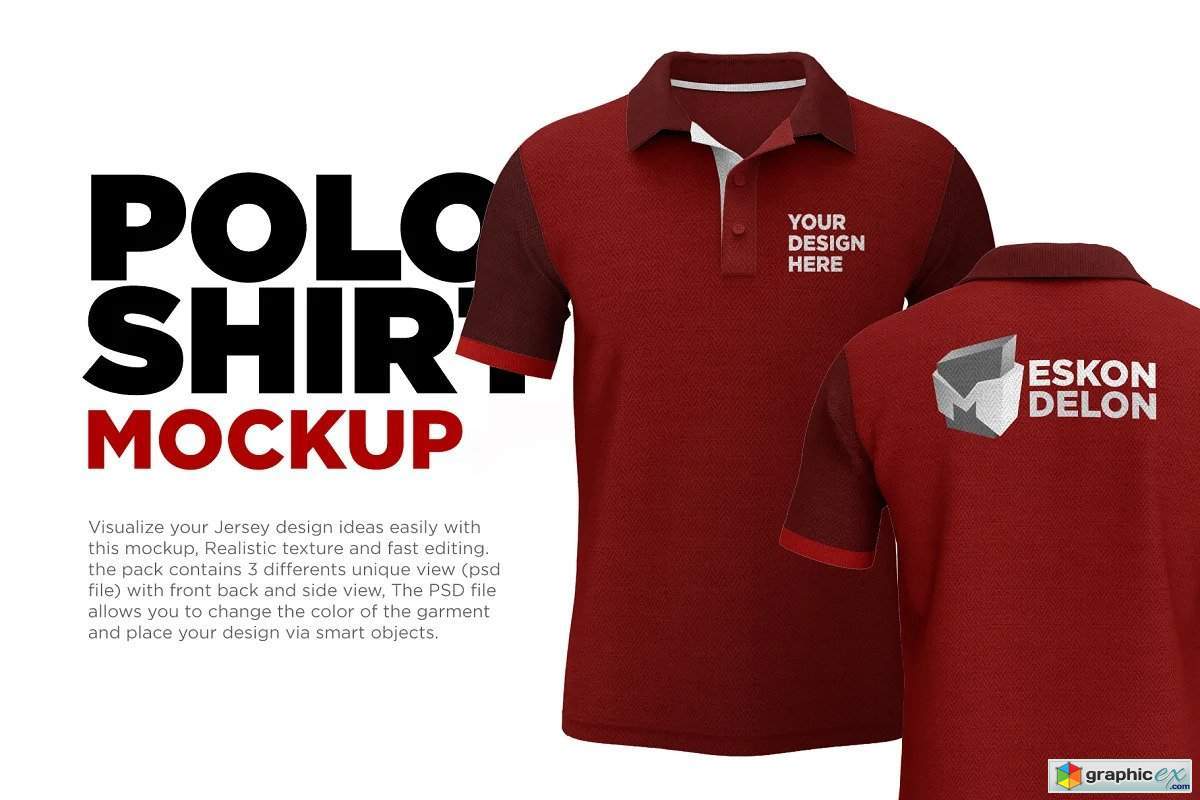
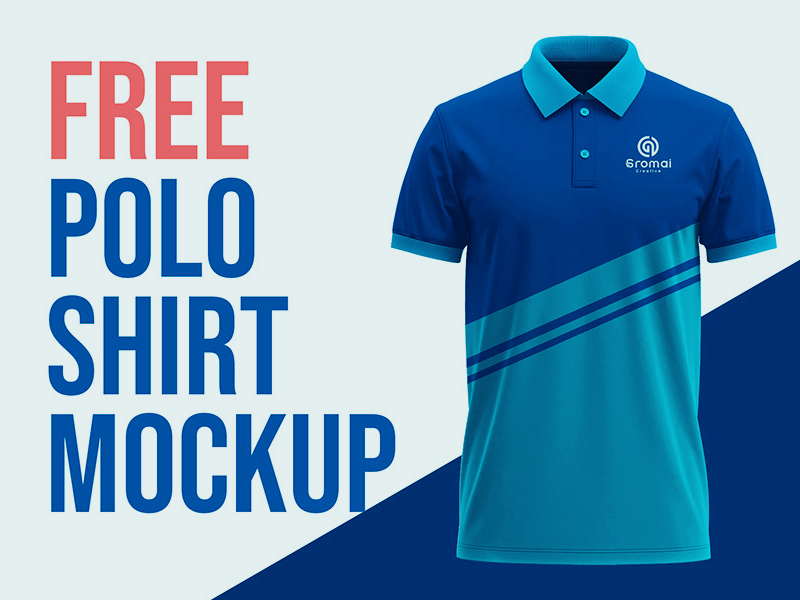
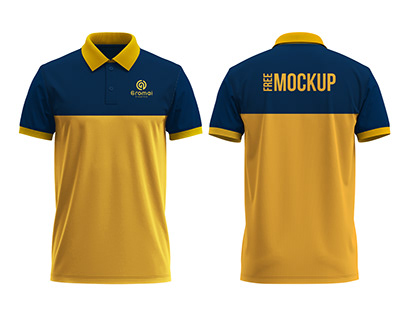
The humble polo shirt. It's a true wardrobe chameleon, effortlessly bridging the gap between casual comfort and smart-casual sophistication. From the tennis court to the boardroom, a well-designed polo can make a statement. But what if you have a brilliant idea for a custom polo shirt – a new color combination, a unique logo placement, or a specific pattern – and you want to see it come to life before committing to production? This is where the magic of "polo shirt design Photoshop pics" comes into play, offering an invaluable window into your creative vision.
In today's visual world, being able to see a design before it's physically made is not just a luxury; it's a necessity. Whether you're a budding fashion entrepreneur, a sports team manager, a small business owner looking for branded uniforms, or simply an individual with a passion for personalized apparel, visualizing your polo shirt design through high-quality Photoshop mockups can save you time, money, and potential disappointment. This article will explore why these digital visualizations are so powerful, what you can expect to see in them, and how they empower anyone to become a design visionary.
Why Bother with Photoshop for Polo Shirt Designs? The Power of Visualization
Imagine ordering a batch of custom polo shirts, only for them to arrive and look completely different from what you envisioned. The logo is too small, the colors clash, or the overall feel isn't quite right. This scenario is a common nightmare that Photoshop mockups are designed to prevent. By creating and viewing "polo shirt design Photoshop pics," you're essentially building a virtual prototype, allowing you to fine-tune every detail without incurring any manufacturing costs.
The primary benefit is cost-saving. Physical samples can be expensive and time-consuming to produce, especially if multiple revisions are needed. With Photoshop, changes can be made instantly with just a few clicks. This rapid prototyping allows for endless experimentation with colors, logos, patterns, and even different fabric textures, all within a digital environment. It's like having a design studio at your fingertips, where mistakes are cheap and creativity knows no bounds.
Beyond personal experimentation, these digital designs are crucial for professional presentation. If you're pitching a uniform design to a client, showcasing a new collection to buyers, or presenting team kits to a sports club, a realistic Photoshop mockup speaks volumes. It conveys professionalism, attention to detail, and a clear understanding of the final product, helping you secure approvals and make a strong impression.
The Magic Behind "Polo Shirt Design Photoshop Pics"
So, what exactly are these "pics" we're talking about? They are high-fidelity digital mockups created using Adobe Photoshop. These aren't just flat images with a logo pasted on; they are sophisticated files, often utilizing "smart objects," that allow designers to seamlessly integrate their graphics onto a pre-designed polo shirt template. The beauty of smart objects is that they preserve the original quality of your design, no matter how many times you resize or transform it within the mockup.
The realism factor in these mockups is truly impressive. Good Photoshop templates incorporate realistic shading, highlights, and even subtle fabric textures (like pique or jersey knits). This means your design won't just look flat; it will appear as if it's actually printed or embroidered on the polo shirt, draped naturally, and reacting to light. Some advanced mockups even feature models wearing the polo, providing a sense of how the garment will look on a real person, or flat-lay options for a clean, e-commerce-ready presentation.
Key Elements You'll See in These Mockups
When you view a polo shirt design in Photoshop, you're not just seeing a generic shirt. You're examining a detailed representation that allows for meticulous scrutiny of various design components:
Color Variations: One of the most impactful elements is the ability to instantly swap colors. You can experiment with different hues for the main body of the shirt, the collar, the cuffs, and even the placket (the strip where the buttons are). This makes it easy to find the perfect combination that aligns with your brand, team, or personal preference.
Logo Placement: Where you put your logo can drastically change the shirt's aesthetic. Photoshop mockups allow you to visualize your logo on the left chest, right chest, sleeves, back neck, or even as a large graphic on the back. You can also test different sizes and orientations to ensure optimal visibility and balance.
Pattern Integration: If your design involves stripes, geometric patterns, or even a full sublimation print, mockups show how these patterns will wrap around the garment. This is crucial for ensuring continuity and avoiding awkward breaks in the design.
Detailing: Small details make a big difference. Mockups often allow you to change button colors, visualize different stitching patterns, and even simulate various fabric textures like the classic pique weave or a smoother jersey knit. These nuances contribute significantly to the perceived quality and style of the final product.
Fit and Form: Many mockups present the polo shirt on a model or as a flat lay, giving you an idea of its cut, drape, and overall silhouette. This helps you understand how the design will look when worn, ensuring it meets your expectations for style and comfort.
Who Benefits from Viewing These Designs?
The utility of "polo shirt design Photoshop pics" extends across a wide spectrum of users, each finding unique value in this visualization tool:
Fashion Designers & Brands: For those in the apparel industry, mockups are indispensable for rapid prototyping, developing new collections, and presenting concepts to stakeholders without the expense of physical samples.
Small Businesses & Startups: Creating branded uniforms or merchandise is crucial for identity. Mockups help these businesses visualize their logo and colors on polos, ensuring a professional and cohesive look before investing in production.
Sports Teams & Clubs: Custom team kits foster unity and pride. Managers and coaches can easily experiment with team colors, crests, and sponsor logos, ensuring the final design is both appealing and functional.
Individuals & Enthusiasts: Whether it's for a personal project, a unique gift, or a custom event, individuals can bring their creative ideas to life and see exactly how their personalized polo will look.
Printers & Manufacturers: Receiving clear, visual mockups from clients significantly reduces miscommunication and errors during the production process, leading to a smoother workflow and higher customer satisfaction.
Where to Find or Create Your Own Polo Shirt Design Photoshop Pics
Accessing these powerful design tools is easier than you might think. For those without extensive Photoshop experience, there are several avenues:
Online Mockup Generators: Websites offer quick and easy ways to upload your logo and choose colors on pre-set polo shirt templates. While convenient, they often provide less control over intricate details.
Dedicated Mockup Websites: Many sites, both free and subscription-based, offer high-quality Photoshop templates specifically for apparel. Websites like GraphicBurger, Smartmockups, or Placeit are excellent resources. These templates typically come with smart objects, making customization straightforward even for intermediate Photoshop users.
DIY in Photoshop: If you have Photoshop skills, you can download a blank polo shirt template (or even create one from scratch) and utilize smart objects to insert your designs. The basic process involves:
- Finding a high-quality polo shirt mockup template.
- Opening the template in Photoshop.
- Locating the "smart object" layer (often clearly labeled, e.g., "Your Design Here").
- Double-clicking the smart object to open it in a new window.
- Pasting your logo, pattern, or text into this smart object window.
- Saving the smart object, which automatically updates the design on the polo shirt template.
- Adjusting colors, shadows, and highlights as needed.
- Exporting your final "Photoshop pic" as a JPEG or PNG.
Tips for Effectively Viewing and Utilizing These Designs
To get the most out of your polo shirt design Photoshop pics, consider these tips:
Context is Key: View your design on different backgrounds or even on a model to see how it looks in various scenarios. A design that looks great on a plain white background might appear different when worn.
Zoom In: Don't just look at the overall picture. Zoom in to examine the fine details – the clarity of your logo, the precision of the stitching, and how colors interact at the edges.
Get Feedback: Share your mockups with colleagues, friends, or potential customers. A fresh pair of eyes can spot issues or suggest improvements you might have overlooked.
Compare Options: Create multiple versions of your design with slight variations. This allows for direct comparison and helps you make informed decisions about the best aesthetic.
Consider Production Realities: While Photoshop offers limitless possibilities, always keep the actual manufacturing process in mind. Some complex gradients or very fine details might be challenging or expensive to reproduce accurately in print or embroidery.
In conclusion, "polo shirt design Photoshop pics" are more than just pretty pictures; they are powerful tools that democratize design, making it accessible and efficient for everyone. They bridge the gap between imagination and reality, allowing you to visualize, refine, and present your ideas with confidence and precision. Whether you're a seasoned professional or a creative individual, harnessing the power of these digital mockups will undoubtedly elevate your polo shirt design journey.
Final Summary: This article explored the immense value of using Photoshop mockups to visualize polo shirt designs. We discussed how these "Photoshop pics" save costs and time by enabling virtual prototyping and professional presentation. The article detailed the realistic elements found in these mockups, such as color variations, logo placement, patterns, and detailing, and highlighted who benefits from using them, including fashion designers, businesses, sports teams, and individuals. Finally, it provided guidance on where to find or create these designs and offered tips for effectively utilizing them to achieve the best possible outcome for any custom polo shirt project.